
In earlier phases of search engine optimization, your domain name could have a very large impact on your site’s rankings. At that time, companies often bought and used domain names that were basically just a keyword, which could lead to success in ranking well with search engines. However, these Exact Match Domains (EMD) no longer pull weight or return high page rankings in web searches today without additional effective supporting elements.
An ideal domain that will gain high SEO rankings today should include effective brand signals. These signals are any occurrence of your company domain name on your website, which will increase branding effectiveness. Optimal quality domains should also include relevancy signals, or keywords that are obvious, relevant to your brand and easily recognized in web searches.
More Ways in Which Domain Names Can Affect SEO Rankings
Domain names can have strong effects on SEO rankings for websites and their contents in multiple ways, including the following:
• Domain Name Contributions. Well selected domain names contribute to better SEO results such as increased click-through rates and a more impactful, memorable brand. They also create greater degrees of trust during site visitor use and search engine crawls, which can lead to better SEO rankings for websites.
• Combined SEO and Domain Impact. The combined impact of SEO and effective domain names can result in improved website and brand credibility and significantly greater link values for sites as well as higher direct web traffic volumes.
• Optimized Websites. Any exact-match keyword domains will most likely be viewed as problematic by search engines today. With use of quality control in selecting domain names and good use of brand names, product descriptions and well optimized site fields, websites can gain high levels of validity and authority in their brands and industry niches.
• Domain Content. Quality website content will greatly increase the trust of site visitors and search engines, resulting in greater conversion rates and higher website rankings for SEO. High quality, relevant and well presented website content tells site visitors, customers and search engines that their trust in a domain is appropriate and well deserved.
• Domains and Paid Ads. All Internet marketers today are well aware that online ads bring better results with use of a superior quality domain name and innovative, relevant and well focused marketing campaigns. Dynamic domain names that are easily identified and related to the brand, products and services that they represent will most likely acquire impressively higher SEO rankings. They will gain higher degrees of web visibility and credibility for improved search results, more visitor traffic and higher sales volumes.
When expert SEO strategies and techniques are combined with a top quality domain name and use of important relevancy signals for your brand, you can look forward to greater volumes of web traffic, more interested customers and higher sales conversion rates for your company brand, products and services. By selecting an optimal quality domain name for your business site, you can attain a significantly higher SEO ranking for your company site and greater recognition for all major aspects of your brand.
When you create a landing page, you are using a portalised keyword strategy that includes a powerful call to action relative to your choice of keywords. This page will offer additional links to niche pages that are related and have their own calls to action. With use of quality page content and effective links, you can design your landing pages to rank well for major targeted keywords as well as for targeting of longtail searches focused on your keywords. Expertly designed landing pages can attract and engage web searchers, directing them to your online business products and services quickly and efficiently for greater sales conversion rates.
Ways in Which Your Landing Page Will Impact Your SEO Performance and Web Search Ranking
The design elements and textual content of your landing page will impact your SEO performance and site ranking in web searches in the following ways:
• Content. – By creating landing pages that are focused on a certain topic or product, you can include effective keyworded titles and headings, text and links within a single keyword subject or category. Rather than relying on out-dated and unproductive keyword stuffing, you will be designing a content page that is centered on an identified niche and niche-related topics.
The goal is to drive targeted web visitor traffic to specific pages and areas of your website for the purpose of capturing new customers and greater product sales conversion rates. You can keep your pages updated and renewed by publishing RSS feeds that may include product-specific articles, featured product lists and related forum discussions. With content focused on a keyword niche, you will increase the impact of your SEO performance significantly.
• Links. – Link development campaigns involving landing pages can be very effective in improving SEO performance for your website. Since a site that links only to the index page can appear unnatural to search engines, you can use landing pages to distribute your links. This will result in a more natural homepage to deep pages ratio. You should also take care to make use of varied anchor text to direct landing page visitors to your targeted website pages and products or services. Anchor text that duplicates or strongly connects with site page titles and headings can also be highly effective for enhanced SEO.
It is best to refrain from using variations of the same keywords in your links to landing pages. You can effectively avoid this by using diverse keywords in different ways for improved impact of SEO performance for your site. You can combine link keywords and on-page keywords for best results. By using a mix of product-specific and generic key terms, you will also enhance the reach and effectiveness of your domain’s SEO impact for improved results.
• Tracking. – When you include focused amounts of powerful and effective links and anchor text on your landing pages, you will ensure easier and accurate tracking of your website’s SEO results from organic searches. When your landing page is the first entry page in the search results of a site visitor, this shows successful use of well targeted SEO strategy. By tracking site visitor behaviour and performance, you will understand how to revise and update landing page content for best ongoing results.
You will also discover search words and phrases relative to your site’s products and services that you have not yet used for keywords. With inclusion of these newly found key terms on your landing pages, you can improve site SEO results and capture more focused and lucrative web traffic streams for enhanced sales conversion rates and a larger client base.
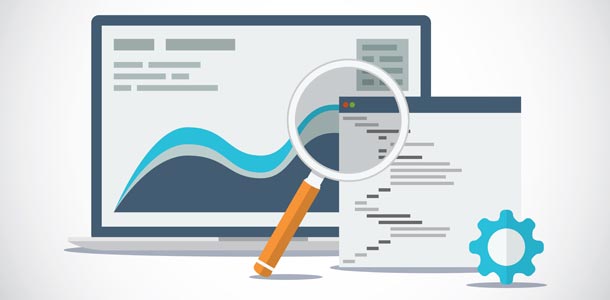
Many website owners wonder why well-known and respected SEO consulting and development companies refrain from promising guaranteed first page search engine results for their clients today. This is especially puzzling to some site owners since the major reason for hiring the services of a top-rated SEO expert is to attain the highest search engine rankings possible. However, for several important reasons, the best SEO companies do not offer guarantees of high search placement or ever use such a guarantee as a marketing strategy.
Why the Best Rated and Most Reputable SEO Companies Do Not Promise First Page Search Engine Results
The most highly rated and respected SEO companies today do not promise guaranteed first page search engine results for the following reasons:
1. SEO Guarantees Are False Claims
Since 1996, there has been a wide array of SEO scams claiming guaranteed top web search rankings and outstanding web traffic volumes for the websites of domain owners who fall prey to unscrupulous SEO consultants and developers or mere scammers. Unfortunately, this activity has tainted the reputations of even top-rated, legitimate SEO companies among some segments of online industry. Savvy site owners today know to avoid all SEO providers who offer such false claims and unattainable results, choosing to work only with high quality experts who deliver exactly what they offer for every customer.
2. Search Engines Denounce Guaranteed SEO Results
Google’s search engine marketing guidelines state that it is not possible to guarantee a number one or first page ranking on Google. If this is true for Google, then it will also be true for other search engines. With use of a top-rated SEO consultant or developer, your website will undoubtedly gain a better ranking for web searches and greater volumes of web traffic for a larger customer base and increased conversion rates. However, a top quality SEO expert will never promise a guaranteed first page search engine ranking for a client’s website.
3. Search Engine Rankings Lack Stability
Search engine rankings fluctuate constantly, with website placement changing frequently. Often, if you refresh your web browser during a search, the order of sites returned may vary significantly. Also, if you perform the same web search from different cities or neighbourhoods, the results may be surprisingly different. If performing a search while you are logged-in to your Google account, your individualised results will most likely differ from those you get when searching before login. From these examples, you can see why top quality SEO companies refrain from offering guaranteed site ranking.
4. Rankings Do Not Measure Web Traffic or Conversions
Search engine rankings do not reveal website traffic volumes, sales conversions or overall site performance. However, an expert SEO campaign is designed specifically to gain better results in all of these categories for your site. Attaining a higher search engine ranking should be treated as a step toward achieving these same results, making it a means to a sought-after end rather than an end result in itself. You need qualified, targeted visitors for your website, which a narrow obsession with site ranking cannot deliver.
5. Unsubstantiated Guarantees Reflect Ethical Issues
The best rated SEO companies offer legitimate guarantees like providing top quality expertise and advice to help your site gain improved traffic volumes. They may also be able to offer an accurate percentage for their projected increase in your site visitor numbers. However, your SEO experts cannot influence or control search engine results. The search engines are solely responsible for search ranking results and methodologies. For this reason, it is always best to avoid working with any SEO company that promises guaranteed results that are outside of its realm of direct control. By doing so, you will help to ensure ethical business practices from your SEO experts and greater rates of success for your website and e-commerce.

Online reviews and social media can have a powerful effect on local SEO for your business. Although the effect of organic SEO generally does not necessarily have a connection to your company’s physical location, local SEO has a strong geographical component. Good local SEO is dependent on establishing strong signals of major relevance focused on your specific locale as a “brick-and-mortar” business. The online marketing techniques of organic SEO are basically centred on and around your business website and brand.
How Reviews Can Affect Local SEO Significantly
Web developers and SEO experts reveal that approximately 68 percent of today’s consumers will put their trust in a business only after reading at least four reviews of the company. This fact has definite effects on your website customer traffic and sales conversion rates. It also indicates that consumers who access positive reviews of your business are very likely to call, email or visit your store or showroom in person. According to Google, responding to reviews will significantly improve your company’s local SEO.
Google also reveals that reviews provide 15.44 percent of the criteria used by Google for ranking a local business. This percentage has increased nearly 5 percent since 2015, when it equaled just 10.8 percent. Google reviews are viewed as a star rating on Google Business profiles and will increase your click-through rates. Other online venues that rate highly as excellent places for obtaining more reviews are Yelp, Google, Facebook TripAdvisor, Trivago and sites that are focused on your specific sales niche or area of industry.
Ways in Which Social Media Can Affect Local SEO
Although it is true that social media signals do not generate direct impact on your business search rankings, they do have definite effects on your search engine optimization endeavours in major ways such as the following:
• Greater online visibility and business credibility;
• Increased web traffic for your company website;
• Greater brand recognition, popularity and authority;
• Enhanced effects of local SEO.
Posted customer reviews on social media and other industry, brand and product related websites often identify the geographical location of your business by giving the city or town and even the neighbourhood or street location of your store, boutique or showroom. Also, local customers check for company addresses, store hours, current product discounts or seasonal sales online so that they can drive or walk to your store quickly to shop and purchase your products.
Customer review trackers report that nearly 50 percent of consumers today almost always, or frequently, read online reviews before shopping for products, and that approximately 72 percent of these consumers consider these reviews to be as valid as recommendations from family members and friends. Online consumer reviews have also influenced search engine algorithms and strongly impacted Google ranking criteria. For this reason, Internet marketers and local SEO experts now design specific methods for examining and evaluating reviews for the purpose of improving the performance and value of local SEO.
Winning Your Spot in the Google Search Local Pack
One of the most visible and prized spots in Google’s local search results is the “local pack,” which is a series of three highlighted results that are Maps-based and feature the highest rated companies that qualify for local rankings. In 2017, search engine ranking factors reports by Web authorities revealed that the quantity, quality, frequency and variety of your consumer reviews are among the top criteria for determining the likelihood of your business being listed in the local pack.
Google My Business signals (19 percent), link signals (17 percent), review signals (15.44 percent) on-Page signals (14 percent) proved to rank higher than both behavioural and personalization signals for the inclusion of your business in the desirable local pack. Currently, review signals are rapidly gaining percentage points for helping you make the neighbourhood pack.

Since online business sites are focusing strongly on attracting customers with use of organic search, effective search engine optimisation (SEO) has ever-increasing value for promoting greater web visibility, higher conversion rates, and ongoing profitability for success. Because there are three different major types of SEO methods in popular use today, it is essential to understand which type is used by the SEO practitioner that you work with for quality optimisation of your company website.
Major Differences in White Hat, Grey Hat, and Black Hat SEO for Website Optimisation
Primary differences in White Hat, Grey Hat, and Black Hat search engine optimisation for quality Internet marketing services for your website include the following:
• White Hat SEO. – White Hat SEO is considered the most ethical and acceptable type of search engine optimisation today since it gives the same levels of attention and value to web users and search engines, with no risk of penalties. This type of SEO produces lasting marketing benefits and results, although it is definitely slower in bringing results than both Grey Hat and Black Hat SEO. White Hat SEO makes use of keyword research as well as natural use of keywords and phrases in page titles, headings, content, anchor text and alt tags. It favours targeted monitoring, adapting to analytics and use of SEO coding designs along with site map usage.
• Grey Hat SEO. – This type of SEO uses moderate techniques between the two extremes of White Hat and Black Hat SEO. Grey Hat SEO is somewhat more strident than White Hat, but it will not result in penalties or banning of your website from good search engine rankings. Use of some Black Hat SEO techniques, however, can cause your site to accrue penalties or experience banning. SEO aspects that quality Grey Hat SEO will avoid are excessively high keyword density, three-way linking and link building that lacks relevance. Helpful Grey Hat techniques will also avoid duplicate content on multiple sites, which Google often categorises as spam.
• Black Hat SEO. – This method of SEO is aggressive and volatile, and it is not encouraged by Google for achieving good rankings. When use of Black Hat techniques do bring fast improvements in ranking results, they are often short-lived. These aggressive SEO tactics are designed mainly for search engines rather than for web users, and they are considered risky for achieving stable, ongoing ranking improvements. Common Black Hat SEO techniques of this type include use of keyword stuffing, invisible text and doorway or jump pages that are designed specifically for fast gains in high search engine rankings. Another Black Hat technique is completely changing the design and content of a website after it is ranked by search engines. It is important to remember that use of Black Hat SEO often results in website banning by search engines.
When choosing an SEO consultant or practitioner for your website, take time to determine the type of SEO that your search engine optimisation expert plans to employ for promoting and marketing your website and its brand, products or services. If your SEO professional favours the use of White or Grey Hat SEO or a combination of techniques from these two SEO methods, you are off to a good start for quality optimisation of your site. Let the daredevil site owners ride the rollercoaster of the ups and downs of risky Black Hat tactics while you glide smoothly toward online success with more moderate SEO methods.
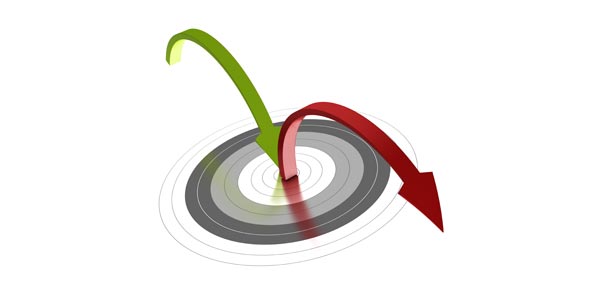
With the massive amounts of content available on the Internet today, most people skim through website pages quickly. This makes it a challenge to keep visitors on your site for more than a few seconds. Even if your website offers top quality design and content, it may have a high bounce rate. Although the average time that visitors remain on a website was 58 seconds, it has now decreased to less than 15 seconds. For this reason, it is essential today to determine the reasons why visitors leave your site quickly. By checking Google Analytics for your website, you can compare your site’s bounce rate to its normal exit rate, which reveals the basic effectiveness of your site and its pages.
Most experienced web designers and online marketing experts advise that the bounce rate for a site has three separate interpretations:
• The page quality is too low to engage site visitors.
• Your web traffic does not relate to the purpose of your website.
• Your website viewers located the content that they were searching for and left. In this instance, a higher bounce rate is not a negative factor when assessing your site’s overall performance.
Major Reasons Why Visitors Leave Your Website Quickly
If your website currently has a high bounce rate, the reasons why your site visitors tend to leave rapidly most likely include the following:
1. Slow Loading Time. – if your site loads slowly while your competitors’ sites can be accessed faster, your site visitors will usually leave your site for another that offers similar content, products or services. In our fast-paced world today, more than one-half of all web users will only remain on sites that load in under two seconds while 40 percent will exit a loading site after three seconds. Also, sites with fast loading times will gain higher SEO rankings since they offer enhanced user experience.
2. Low Quality Web Content and Design. – The content on your website needs to flow easily, both visually and textually, to accommodate users as they skim your web pages. Your site viewers want to surf seamlessly and rapidly through your content and absorb its meaning and offers. When finished skimming, they should be ready to make an informed decision to purchase a product, join your opt-in email list or register as a member of your site.
According to experts on the “visual hierarchy” of web content, your web pages must be designed so that each visitor knows immediately in what order to read your content. Apparently, most readers will scan a site page with large blocks of text in an F-shaped pattern of eye movement and pages with less text content in a Z-shaped motion. With good quality web design, your visual, textual and interactive page content will have a well organised and highly appealing layout to engage your readers, encouraging them to stay and examine all the pages and features of your site.
3. Auto-Playing Multimedia. – Unfortunately, attractive as they may be, automatically playing multimedia elements on your website will decrease the loading speed of your site. This will undoubtedly increase your site’s bounce rate. Also, by including this automatic element in your web design, you are taking control away from the viewer. Since some of your site visitors may not want to see and/or hear your multimedia content at the moment they access your site, they may leave without viewing your other featured content.
4. Lack of Call-To-Action Buttons. – If your site does not have at least one clearly presented call-to-action button, your visitors will not know in what direction to navigate from your landing page. By including calls-to-action (CTAs), you can direct your visitors to additional content on your site, capturing their attention and interest, which can lead to longer time spent on your web pages. This can also increase conversions significantly. However, landing pages with too many CTAs may annoy your site viewers, resulting in their rapid departures from your site.

Title tagging in SEO is creating an HTML element that
designates a web page title. These tags are shown on search engine results
pages (SERPs) in the form of a linked and clickable headline for a specific
result. They are valuable for usability and SEO as well as for social media
sharing. Title tags appear on social networks and also at the tops of web
browsers, supplying a clear, concise form of a comprehensive summary of the
page content.
Although title tags are no longer considered a “cure all” for
correcting ineffective SEO techniques and will not always capture Google’s
attention and favor, well-constructed and optimised titles still do usually
precede higher search engine rankings even without their former strong and
direct correlation. At least, a well-written title tag will most likely boost
the clicks and traffic volumes for a site, which still account for some
influence on rankings.
Today, search engines tend to review and evaluate the content of a web page as
a whole rather than giving greatest attention and value to keywords and phrases
and use of such web marketing strategies as CRM and CRO. However, web users
till give strong focus and attention to page and content titles in their
interaction with websites during searches.
Title tags that bring best results during online searches include the following
features and structures:
• A unique choice of words to reveal the page content clearly, accurately and
concisely.
• Title tag length of no more than 50 to 60 characters to avoid truncation in
the SERPs.
• Natural placement of the most important keywords first in the title tag.
• Good use of the page-related brand name in the title tag.
Why Title Tagging Still Has Significant
Impact on Google Ranking Factors
Title tags still have important impact on how clearly search engines comprehend
your web page content. These tags also provide the first impression that web
users get of your pages. Title tags have impact in three key web venues today:
in search engine results pages (SERPs), in web browsers and in social media
networks in the following ways:
1. SERPs. – Your title tag almost always decides your display title in
search engine results pages, which is the web searcher’s initial impression of
your website. Even if your site has an excellent ranking aside from the impact
of your title tag, an effective title can be the determining factor in whether
or not the web searcher clicks on your link to access your page.
2. Web Browsers. – Since your page title tag is displayed at the top of
your web browser, serving as a placeholder, it can eliminate the problem of web
searchers mistaking your page for another and ignoring it. This can often occur
when web users have multiple browser tabs open at the same time. Unique title
tags with page and content-identifying keywords as their first words help
prevent confusion and loss of interest on the part of web searchers.
3. Social Media Networks. – The major social media networks and other
external websites will make use of your title tag to select what to display
when you share a specific page. This is also an important factor in keeping
title tags relevant as elements of impact on today’s Google Ranking Factors.

Keyword stuffing describes the process of overloading a web page or site with keywords, phrases or numbers in an effort to manipulate and control the page or site’s ranking in Google search results. The keywords that you use are very important to the direction and effectiveness of your site’s SEO and can either increase or reduce your website visitor volumes and conversion rates significantly. Although keywords are of major importance in your site’s level of optimisation, if you overdo your keyword usage, this can actually have a detrimental effect on your website’s visibility, credibility and success.
In the early stages of SEO development for website marketing and promotion, the excessive use of keywords was often considered acceptable and thought to be helpful in gaining attention and customers for your site. With subsequent advancements in SEO techniques and practices, however, using an overload of these terms for optimisation purposes is no longer acceptable or beneficial for your site.
Major Reasons Why Overuse of Keywords on Your Website Can Be Detrimental to Your Site’s Success
The main reasons why keyword stuffing can be detrimental to your website’s marketing, brand recognition and business success include the following:
• Search Engines Will Suspect Manipulation. – When keywords and phrases appear in your web page content with a frequency greater than two to five percent, this is considered key term stuffing. On the majority of websites, keyword density of up to five percent is considered quite normal and is tolerated. However, as soon as your site’s degrees of key term density rise above five percent, search engines will begin to scrutinize your website for the use of manipulative schemes and techniques. This will delay your website or web page being granted a Google ranking while the search engine evaluates it. When your site does receive a search engine ranking, in all probability, it will be lower than you had anticipated.
• Your Site May Be Penalized. – Google may give your website penalties for your use of keyword stuffing in an attempt to boost your web page SEO. Excessive use of keywords in your web content can lead to search engine refusal to promote your site. If you have a strong tendency to include an over-abundance of keywords in your site’s textual content, try using variations of these keywords to retain some elements of this older and currently not acceptable attempt at boosting your site’s visibility and Google ranking. This will enable you to still be somewhat heavy on keyword inclusion in your site content without it being objectionable to the point that you lose site ratings, visibility, credibility and web traffic.
• Site Visitors May Abandon Your Website. – Many web users today consider keyword stuffing to be lowering the quality of your website content to inferior levels. The readability of your site’s written content is adversely affected by excessive repetition of your main keywords. As most website designers and developers will advise you, it is best to make your web pages inviting, welcoming and user-friendly rather than to alienate site visitors by web content that is composed largely of the same major keywords repeated with annoying frequency. You should also make a definite attempt to avoid being too search engine focused when finalizing the content for your site.
If you are unsure about the best way to vary and limit use of keywords without losing site visibility and a good search engine ranking, consult an experienced SEO service provider for advice on using the latest concepts for professional keyword selection and placement in your web content. With even slight assistance with best keyword usage for today’s top SEO results from these experts, you may be astounded at your website’s admirable new ranking and credibility.
During times like the first week of January, 2019, when SERP volatility was at a high point on the SEMRush Sensor, this is a sign that a Google algorithm update of significant impact is being initiated. While SERP volatility is high, it is worthwhile to examine which types of websites have been impacted to the greatest extent. Google changes most often impact specific websites relative to their content quality and performance levels.
This update at the first of 2019 strongly impacted sites representing such industries as automotive and food and beverage as well as pet and animal related websites and some legal and government related sites. The effects of this first 2019 update are similar to the effects of the Google Medic update, during which Google rankings of websites for e-commerce and health related sites were the most strongly affected. This update is also symbolic of Google telling websites to keep optimising their site content to attain higher search rankings and better user experience.
Google’s Algorithmic Changes Early in 2019
Although the most significant Google algorithmic changes for early 2019 took place in January, updates continued to occur during February and into March. Sometimes a slight change in usual web activity or the operation of a web tool, SEO technique or other optimising method acts like a search engine update or significant change when in reality, it is not an algorithmic update.
However, during a Google change or update, websites that are not well optimised may incur penalties that can manifest as slight or dramatic changes in their site rankings and web traffic volumes that can strongly impact a brand’s visibility and its product sales conversions. Experienced website developers and SEO pros recommend building up your online reputation as the best way to avoid incurring Google penalties. Google adores sites that are trustworthy and have excellent reputations on the web, and these sites must have expertise and authority to rank well with Google and avoid accruing penalties.
Building-Up Your Website Reputation to Avoid Incurring Google Penalties
To avoid accumulating Google penalties, you can improve the reputation of your business and company website with use of the following methods:
• Create a Top Quality ‘About Us’ Page. – When you create fine caliber content for your company’s ‘About Us’ page, you are taking the first step to avoid receiving Google penalties. Since Google favors websites with ‘Expertise, Authoritativeness and Trustworthiness (E-A-T),’ you need to design an ‘About Us’ page that displays these qualities of excellence.
Although strengthening and enhancing your online business reputation can take time, it will be well worth your efforts. Because algorithm changes are nearly always simply updates on the current algorithm that your site has excelled with, once you start building your website reputation and gain Google’s trust, you will be insuring your site against incurring future penalties during other algorithm changes and updates.
• Social Media Interaction. – Increase your site and brand web visibility and credibility through greater interaction on social media sites. You should create social media channels that link to your business site or featured brand products and services. Use social media to advertise and promote your brand and as a means of communicating with other companies in your industry niche as well as with potential clients and customers.
With use of social media sites like Facebook and Twitter, you can quickly and effectively gain many new connections while directing more interested people to your website to build your business and gain greater online recognition. On YouTube, you can create engaging videos about your featured products and link these videos to your company site and respected advertising domains. This can be of great help in avoiding future Google penalties during algorithm updates.
• Guest Blogging and eBooks. – Quality guest blogging can be a very powerful method of growing and enhancing your website’s reputation with Google and acquiring good levels of authority and trustworthiness. Communicate with respected business site owners in your niche and offer to collaborate on projects. Another helpful method of increasing your website’s reputation with Google is by creating eBooks concerning your brand, products and industry niche for your site visitors to download, free of charge.
You will also most likely want to publish a weekly or monthly newsletter about your niche, your business goals and your products or services. These measures will also please Google and help you avoid any future Google penalties. You may be very surprised at just how quickly you attain a highly reputable, well-trusted online business image and rising Google rankings.
1300 638 949
enquiry@netwizardseo.com.au